What Is a Miswak Stick? Natural Toothbrush Guide
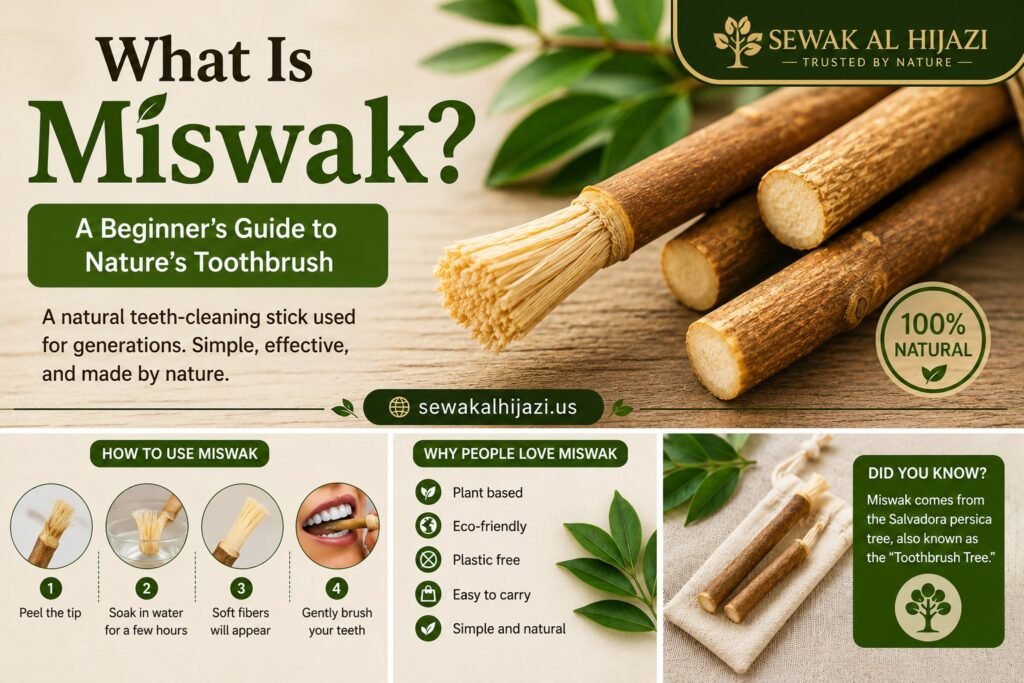
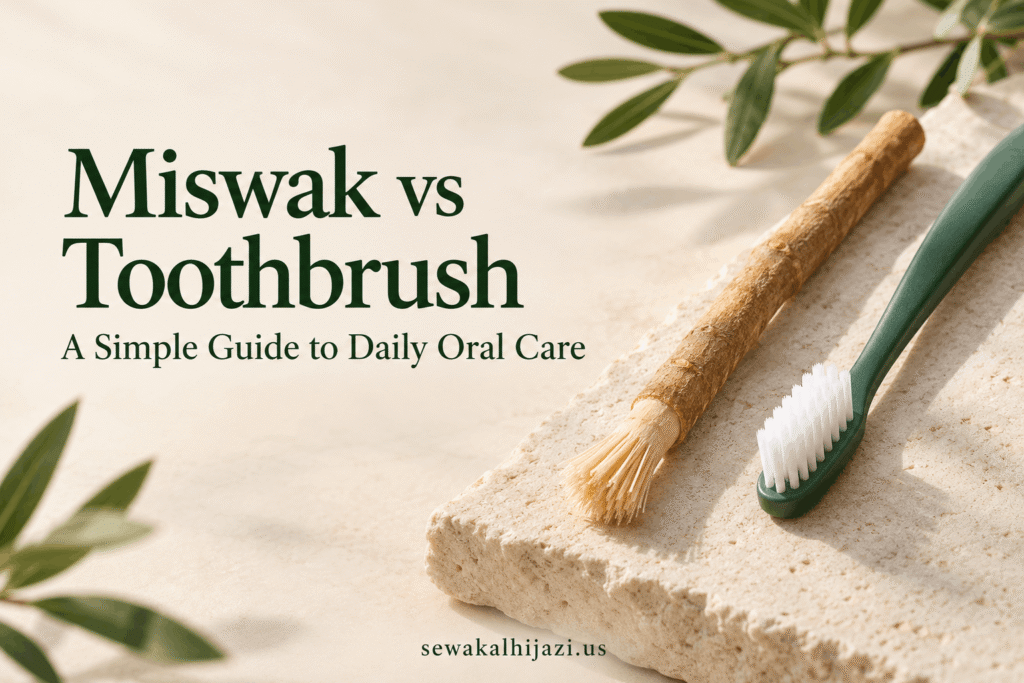
A miswak stick is a natural tooth-cleaning stick traditionally used for everyday oral care. Unlike a regular toothbrush with a plastic handle and nylon bristles, a miswak stick comes from a plant and develops natural fibers that can be used to clean the teeth.
For people interested in simple and natural oral care, a miswak stick can be an interesting addition to a daily routine. It is small, easy to carry, and does not need batteries, electricity, or a plastic toothbrush handle.
What Is a Miswak Stick Made From?
Most traditional miswak sticks are made from the Salvadora persica tree, often known as the toothbrush tree.
The stick is usually prepared by removing a small amount of bark from one end. The exposed part can then be softened so that the natural fibers separate and form a brush-like tip.
These natural fibers are the part that makes the miswak stick useful for cleaning the teeth.
The quality and freshness of a miswak stick can vary, so it is important to choose a clean and properly stored product from a trusted source.
How Does a Miswak Stick Work?
A miswak stick works mainly through gentle physical cleaning.
When the prepared fibers move across the teeth, they can help remove food particles and plaque from surfaces that the fibers reach. The user controls the movement and pressure, just as with other manual cleaning methods.
Research has examined miswak as an oral-care tool. A systematic review of clinical trials found that miswak use produced plaque and gingivitis results comparable with toothbrush use in the included studies. The researchers also noted limitations in how some studies reported brushing methods and frequency.
This means miswak is worth understanding as an oral-care tool, but it should not be presented as a guaranteed treatment for dental disease.
How to Prepare a Miswak Stick
Preparing a miswak stick for teeth is simple.
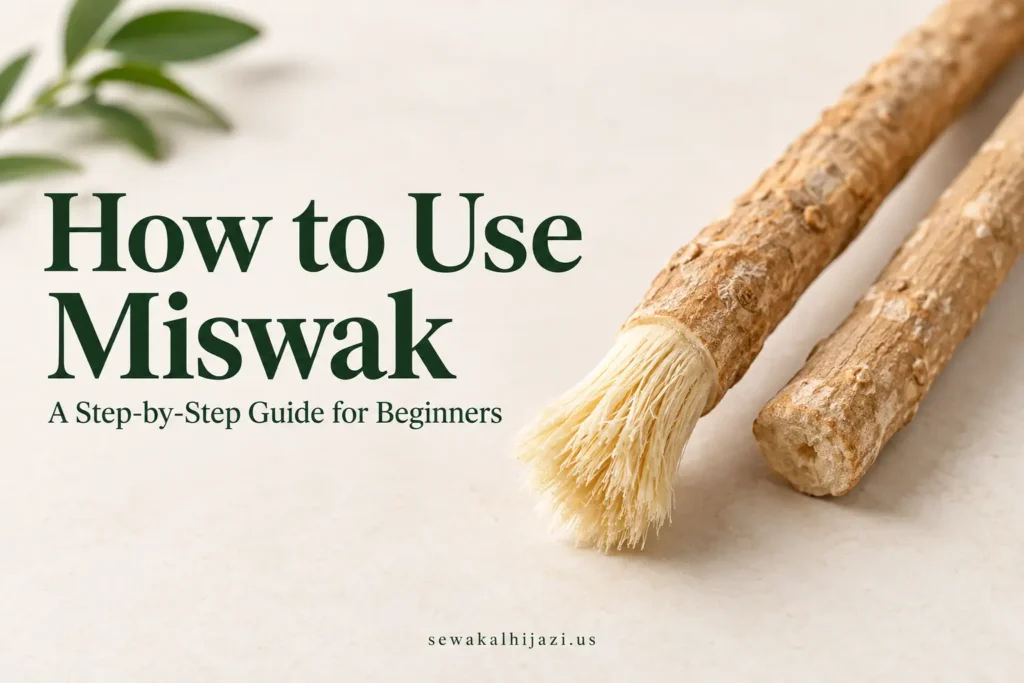
First, inspect the stick and make sure it is clean and suitable for use. Remove a small section of bark from one end using a clean tool.
Next, gently chew or soften the exposed end until the natural fibers begin to separate. If the tip is dry or hard, a short soak in clean water can help soften it.
Once the fibers become soft, rinse the tip with clean water.
Your natural toothbrush is now ready to use.
How to Use a Miswak Stick
Hold the stick comfortably and use gentle movements across your teeth.
Clean the outside surfaces first, then move to the inside surfaces and chewing surfaces. Pay attention to the back teeth because they can be easy to miss.
Avoid pressing too hard. Aggressive use of a miswak stick can irritate the gums or make the experience uncomfortable. A recent clinical study also reported that aggressive miswak use may contribute to higher gingival scores, highlighting the importance of proper technique.
Good technique is more important than using excessive pressure.
- How to Use Miswak: A Step-by-Step Guide for Beginners
- What Is Miswak? A Beginner’s Guide to Nature’s Toothbrush
- Miswak Benefits: A Simple Guide to Everyday Oral Care
How Long Does a Miswak Stick Last?
There is no exact number of days that every miswak stick will last.
It depends on how frequently you use it, how you store it, and the condition of the fibers.
When the exposed fibers become worn, dirty, or uneven, cut away the used portion and prepare a fresh section of the stick.
If a miswak stick develops mold, an unusual smell, or other signs of spoilage, do not use it.
How to Store a Miswak Stick
Proper storage helps keep your miswak clean and fresh.
After use, rinse the brushing tip with clean water and allow it to air-dry. Keep the stick in a clean place with some ventilation.
Avoid leaving a wet miswak inside a completely sealed container for a long period because trapped moisture can create an unsuitable environment for storage.
If you travel with your miswak, a clean holder can help protect it from dirty surfaces.
Can a Miswak Stick Replace a Regular Toothbrush?
Some people use miswak as their main oral-care tool, while others use it together with a conventional toothbrush.
However, the American Dental Association recommends brushing twice a day for two minutes with fluoride toothpaste and cleaning between the teeth daily.
For this reason, people should not assume that using a miswak automatically replaces every part of a complete oral-care routine.
If you have dental problems, sensitivity, gum bleeding, or other ongoing symptoms, speak with a dental professional.
Why Do People Choose Natural Miswak Sticks?
A natural miswak stick has several practical features that attract people interested in traditional or simple oral care.
It is:
- Plant-based
- Small and lightweight
- Easy to carry
- Simple to prepare
- Usable without electricity
- Convenient for travel
Its simple design is one reason miswak continues to attract interest from people looking for different approaches to everyday oral care.
Final Thoughts
A miswak stick is more than just a piece of wood. When properly prepared, its natural fibers can be used as a small manual brush for cleaning the teeth.
The key is to choose a clean stick, prepare the tip carefully, use gentle pressure, clean all tooth surfaces, and store the stick properly.
Miswak can be part of a thoughtful oral-care routine, but it should not be presented as a cure for dental problems. Good daily oral hygiene and professional dental care remain important for maintaining healthy teeth and gums.
This article is for general educational information and does not replace professional dental advice.